
The Tale of the Clever Crow
The Tale of the Clever Crow
In the ancient city of Varanasi, nestled beside the sacred River Ganges, there once lived a king renowned for his wisdom and justice. His reign was a golden age, marked by peace and prosperity, where even the smallest creature felt safe under his benevolent gaze. Yet, even in such a utopia, the shadows of ego and pride could cast long, disquieting specters.
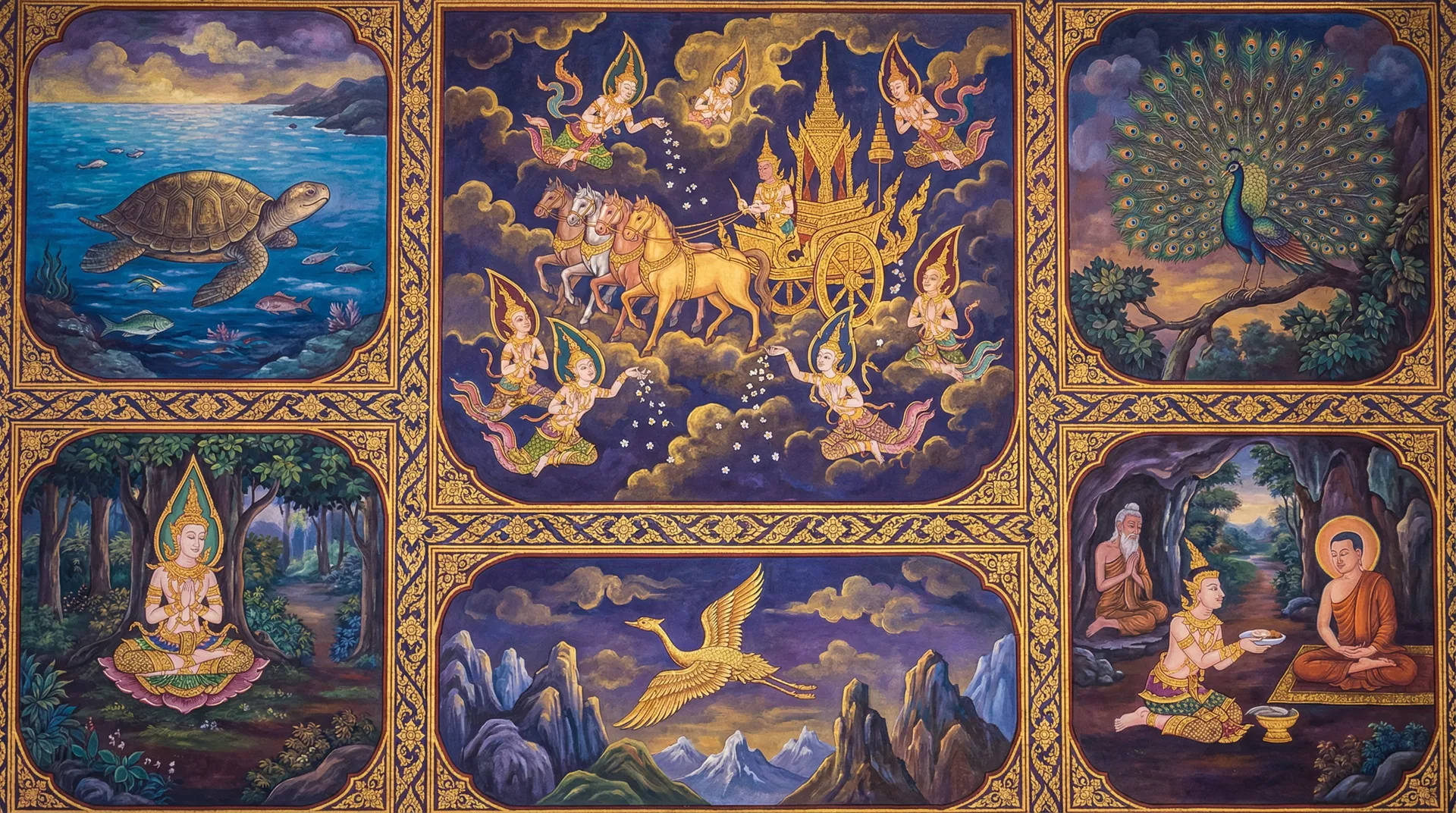
One day, a magnificent bird, a peacock of unparalleled beauty, strutted into the royal courtyard. Its feathers shimmered with every hue imaginable – emerald greens, sapphire blues, and fiery golds, each iridescent plume catching the sunlight and scattering it in a dazzling display. It fanned its tail, a breathtaking spectacle of nature’s artistry, and with a proud, resonant cry, it declared, “Behold me, O King! I am the most glorious creature in all the land. My beauty surpasses that of any other. Surely, I deserve the highest honor, a place of reverence in your court!”
The King, a man who valued true worth above mere outward show, listened patiently. While he acknowledged the peacock’s undeniable splendor, he also possessed a keen understanding of character and true virtue. He saw in the peacock a creature consumed by vanity, its heart filled with self-admiration rather than humility or wisdom.
At that very moment, a humble crow, its feathers a modest matte black, alighted on a nearby branch. It had overheard the peacock’s boastful pronouncement. With a sharp, intelligent glint in its beady eyes, the crow cleared its throat, a sound surprisingly clear and resonant. “Your Majesty,” it croaked, its voice devoid of the peacock’s regal tone but brimming with an undeniable logic, “while the peacock’s plumage is indeed a wonder to behold, beauty is but a fleeting adornment. True worth lies not in the superficial, but in the substance of one’s character and the actions one takes.”
The peacock, utterly affronted by this interruption from a creature it considered so beneath it, puffed up its chest even further. “You! You insignificant speck of dust! How dare you question my magnificence? You, with your drab feathers and your common call! What could a creature like you possibly understand of true value?”
The crow remained unruffled. “I understand, great peacock, that while you are admired for your outward appearance, I, though less visually striking, possess a mind that can discern, a voice that can reason, and a spirit that can serve. I am not blind to your beauty, but I am also not fooled by it. True honor is earned through deeds, not displayed through feathers.”
The King, observing this exchange with a thoughtful expression, saw the wisdom in the crow’s words. He decided to put both birds to a test, a test that would reveal their true nature beyond their physical attributes.
“Peacock,” the King announced, his voice carrying across the courtyard, “and you, intelligent crow. I shall pose a riddle. The one who solves it shall receive my favor. Listen closely.” He then presented a seemingly simple question: “What is the one thing that, when lost, can never be regained, no matter how precious or sought after?”
The peacock, confident in its superior intellect as it was in its beauty, preened and strutted. “This is child’s play!” it scoffed. “It is my dazzling plumage, of course! If I were to lose it, it would be a tragedy beyond compare, and I would never again be so magnificent!” It imagined itself stripped bare, a pathetic sight, and shuddered at the thought.
The King smiled gently. “A noble thought, peacock, but incorrect.”
The crow, meanwhile, had been observing the King’s demeanor, the subtle shift in his gaze, the way he had posed the question. It wasn’t about something physical. It pondered, its head tilted, its small mind whirring with possibilities. It thought of all the things that could be lost – wealth, power, even life itself. But what could *never* be regained?
Suddenly, a spark of understanding ignited within the crow. It remembered a time when it had spoken carelessly, when its words had hurt another. It recalled the sting of regret, the knowledge that no amount of apology could undo the damage caused by those ill-chosen syllables. Its eyes widened as the answer dawned upon it.
“Your Majesty,” the crow called out, its voice filled with a newfound earnestness. “The answer is a word spoken in haste, a moment of anger unleashed, a word that, once uttered, flies beyond recall. It is a lost opportunity for kindness, a broken trust, a wound inflicted by careless speech. It is, in essence, a lost opportunity – a chance gone forever.”
A profound silence fell over the courtyard. The peacock stood dumbfounded, its magnificent tail feathers drooping slightly in confusion. The King, however, his face alight with appreciation, rose from his throne. He walked towards the crow, his stride purposeful.
“You have spoken the truth, wise crow,” the King declared, his voice resonating with admiration. “The peacock’s answer reflects its preoccupation with its own outward form. Your answer, however, reveals a deep understanding of the human heart, of the consequences of actions, and of the preciousness of time and opportunity. Beauty may win admiration, but wisdom and foresight earn true respect.”
The King then turned to the peacock. “While your beauty is undeniable, it is a superficial gift. The crow, though less adorned, possesses a mind that can learn, a heart that can understand, and a voice that can speak truth. Therefore, I decree that the crow shall be honored in my court for its wisdom. You, peacock, shall be admired, but you shall learn that true worth is not measured by the shimmer of your feathers.”
From that day forward, the crow was a frequent visitor to the royal court, often consulted by the King on matters of great importance. Its pronouncements, always thoughtful and just, brought further prosperity and harmony to the kingdom. The peacock, though still admired for its beauty, learned a valuable lesson. It began to observe the crow, to listen to its counsel, and to understand that true splendor lay not just in outward appearance, but in the grace of a discerning mind and the kindness of a noble heart.
The tale of the clever crow and the proud peacock spread throughout the land, a constant reminder that superficial beauty, while captivating, can never compare to the enduring power of wisdom, humility, and true understanding.
The moral of the story is: True worth lies not in outward appearances or boastful claims, but in wisdom, character, and virtuous actions.
— In-Article Ad —
💡ၶေႃႈသွၼ်
<!-- Placeholder for moral. The moral of the Sarabhanga Jataka is the importance of patience, forbearance, and steadfastness in the face of temptation and adversity. It highlights the power of spiritual discipline and the Bodhisatta's ability to overcome defilements. -->
ပႃႇရမီႇ: <!-- Placeholder for perfection. The perfection practiced in the Sarabhanga Jataka is Khanti-parami (patience/forbearance). -->
— Ad Space (728x90) —
ၸႃႇတၵဢၼ်ၼႃႈသူၼ်ၸႂ်
107Ekanipātaသီရိမာန ႒က ၑာဒက
ဢၼ်ၑာဒက ၼႆႉ ၵႄႈ ၼႂ်း ၸႄႈ ဢၼ် ၵႃႉ ၼႃႈ ၵႄႈ ဢၼ် ၵႃႉ ၼႃႈ ၵႄႈ ဢၼ် ၵႃႉ ၼႃႈ ၵႄႈ ဢၼ် ၵႃႉ ၼႃႈ ၵႄႈ ဢၼ် ၵႃႉ ၼႃႈ...
💡 ปัญญาที่ประกอบด้วยคุณธรรม สามารถแก้ไขปัญหาใหญ่หลวงได้
 261Tikanipāta
ၵေႊမဟာသိင်္ခေၔၗ (ၵႄႊၗ 2)
ၵႄႊၗ ၵႄႊၗ ၵႄႊၗ ၵႄႊၗ ၵႄႊၗ ၵႄႊၗ ၵႄႊၗ ၵႄႊၗ ၵႄႊၗ ၵႄႊၗ ၵႄႊၗ ၵႄႊၗ ၵႄႊၗ ၵႄႊၗ ၵႄႊၗ ၵႄႊၗ ၵႄႊၗ ၵႄႊၗ ၵႄႊၗ ၵႄႊၗ ...
💡 ความโลภนำมาซึ่งภัย การมีปัญญาจะช่วยให้รอดพ้น
 317Catukkanipāta
ၵႅင်း ၵႄႈ ၵႄႈ ႁႃ
ၵႄႈ ၵႄႈ ႁႃ ဢၼ် ၼႆႉ ဢမ်ႇ ၵႄႈ ၵႄႈ ႁႃ ၵူၼ်း ၵူၼ်း ၵူၼ်း ၵႄႈ ၵႄႈ ႁႃ ၵႄႈ ၵႄႈ ႁႃ ဢၼ် ၼႆႉ ဢမ်ႇ ၵႄႈ ၵႄႈ ႁႃ ၵ...
💡 ความสามัคคีและสติปัญญา สามารถเอาชนะอุปสรรคที่ใหญ่หลวงได้เสมอ แม้จะมีพละกำลังน้อยกว่าศัตรู แต่หากรู้จักใช้ปัญญาและร่วมมือกัน ก็สามารถเอาชนะได้อย่างง่ายดาย
308Catukkanipātaဢႅးပုကိၼ်ႇၭၑၒၐၒ
ဢႅးပုကိၼ်ႇၭၑၒၐၒ ဢႅးပုကိၼ်ႇၭၑၒၐၒ ဢႅးပုကိၼ်ႇၭၑၒၐၒ ဢႅးပုကိၼ်ႇၭၑၒၐၒ ဢႅးပုကိၼ်ႇၭၑၒၐၒ ဢႅးပုကိၼ်ႇၭၑၒၐၒ ဢႅးပ...
💡 การใช้ความรู้ความสามารถที่มีเพื่อช่วยเหลือผู้อื่น ถือเป็นการบำเพ็ญประโยชน์อันประเสริฐ และสร้างคุณค่าให้แก่ตนเองและสังคม
 398Sattakanipāta
ၵေၪၨ ၵေၪၨ ၵေၪၨ
ၵႂ႗ ၵႂ႗ ၵႂ႗ ၵႂ႗ ၵႂ႗ ၵႂ႗ ၵႂ႗ ၵႂ႗ ၵႂ႗ ၵႂ႗ ၵႂ႗ ၵႂ႗ ၵႂ႗ ၵႂ႗ ၵႂ႗ ၵႂ႗ ၵႂ႗ ၵႂ႗ ၵႂ႗ ၵႂ႗ ၵႂ႗ ၵႂ႗ ၵႂ႗ ၵႂ႗ ၵႂ႗ ...
💡 นิมิตที่ปรากฏขึ้นนั้น เป็นเครื่องเตือนใจถึงความเสื่อมโทรมทางศีลธรรมที่จะเกิดขึ้นในอนาคตกาล หากมนุษย์ขาดการยึดมั่นในคุณงามความดี การประพฤติตนให้อยู่ในศีลธรรมอันดีงาม การทำบุญ และการช่วยเหลือผู้อื่น คือหนทางสู่ความสุขที่แท้จริง
 469Dvādasanipāta
ဝိစိတ္ကုမာရ် ဇာတ်တော်
ၵႄႈ ပွႄႊ လႄႊ တီႊ ၼႃႊ ၵႄႈ ၵႄႊ ၵႄႊ ၵႄႊ ၵႄႊ ၵႄႊ ၵႄႊ ၵႄႊ ၵႄႊ ၵႄႊ ၵႄႊ ၵႄႊ ၵႄႊ ၵႄႊ ၵႄႊ ၵႄႊ ၵႄႊ ၵႄႊ ၵႄႊ ၵႄႊ...
💡 คุณธรรมและจิตใจที่งดงาม คือสิ่งที่ประเสริฐที่สุด
— Multiplex Ad —